
I wanted to try a bit of a rambling post today, this wasn’t planned, but it just sort of popped into my head, so bare with me. Or if this isn’t what you’re looking for and you don’t want to waste your time (understandable), you know where the door is.
Right then.
As I sit down to write this post it is late January and the curtains of the new year have been thrown wide open.
Like many people in January, I too am occasionally afflicted by the “new year, new me” malady that tends to grip society. Though I am not one to make vision boards or set new year resolutions for myself, it is a time of year – a time of starting, or sometimes of climbing back up onto the wagon you fell off of – that often prompts thoughts of new directions, planning, and setting goals for future.
This is a post about reflection, resolutions, and adjusting goals when things aren’t quite going according to plan.
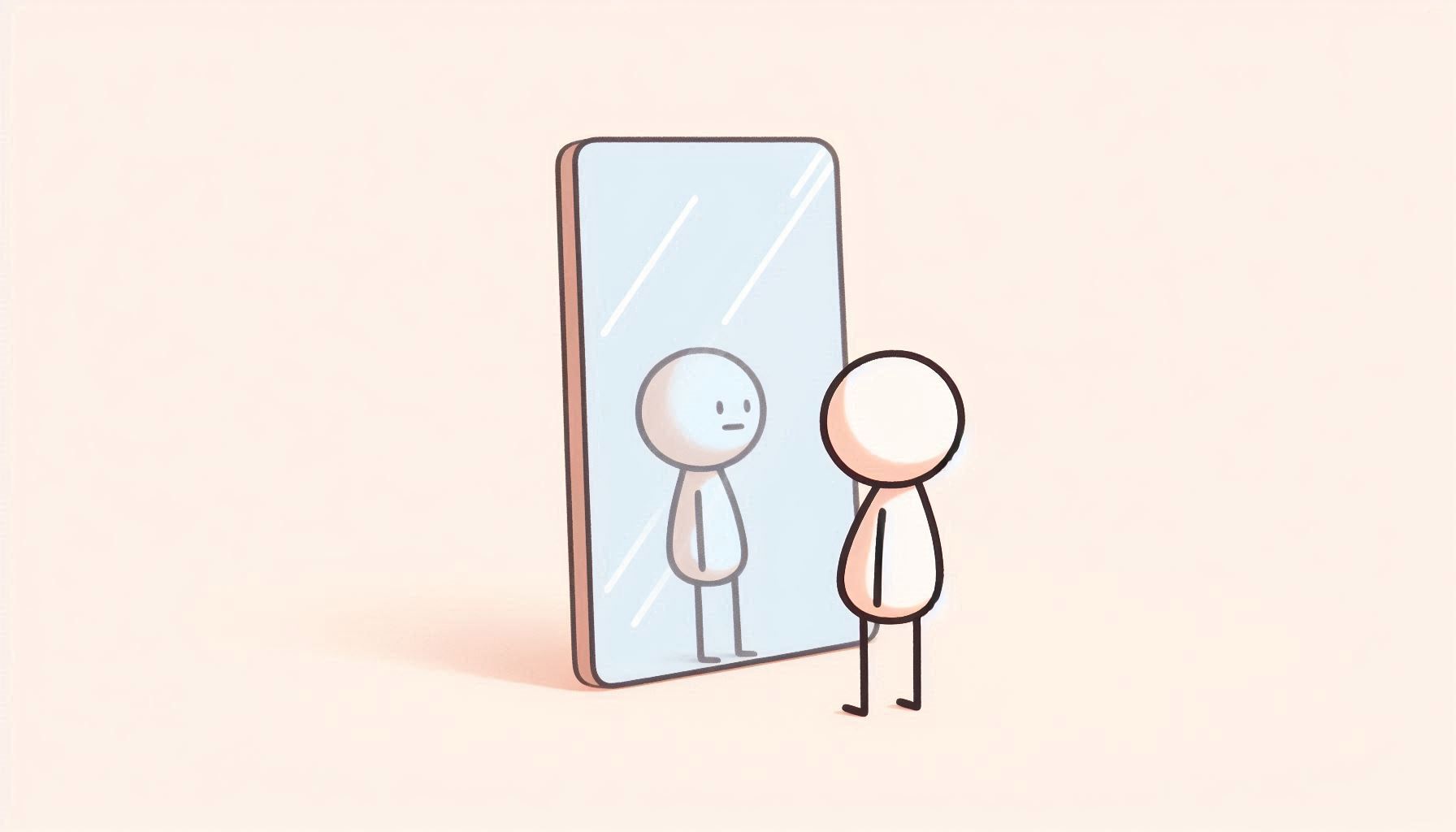
With planning, comes reflection
Can I actually achieve this goal?
Planning and goal-setting is something of an art form, and there is certainly a skill to doing it well. Most people can do some form of planning, and far be it from me to critique anyone on this particular point. But lets just say, that after thinking about my own malformed and abandoned plans over the years, I have some thoughts.
Now, there are most likely entire libraries on the internet filled with tips and advice on how to set good goals, like making actionable steps and setting SMART goals and so on. But I’m not going into that “7 tips to help you achieve your goals” rant just yet.
Among the many facets to good planning, there is one aspect that people sometimes overlook in their January-induced goal-setting extravaganza. And that is; that often to plan ahead it is sometimes very much necessary for one to look behind. I am of course talking about reflection.
I’m not going to suggest a 3 step reflection plan, or try to sell you a free pdf workbook or anything, I’m talking about a fundamental type of reflection. Thinking about yourself, your capacity and the goals themselves.
Whether you are planning your new years budget, or setting personal goals to improve your health and achieve your dreams, looking backwards can be a valuable experience.
When planning goals, be they health, financial, business or literally anything else, questions such as “How much did we spend on X last month?” and “How many hours did it take to do Y?” often form the foundations of good planning.
But sometimes, when enthusiasm is running wild, people may often set goals that turn out, for one reason or another to be un-achievable.
Now the idea of unmet goals and failed resolutions is not exactly new. There’s a running joke in society that most of the goals you haphazardly set on January first are more often than not abandoned by March. Such things do happen, and while failing to meet your goals is often an inevitable part of life, there are times, either when setting new goals or looking at the remains of the old ones, that reflection can be valuable indeed.
One handy question people sometimes forget to ask themselves, is the following:
“Can I actually do this?”
Goals vs Reality
Is this goal even possible?
Everyone at some point has fallen into this trap. Whether we forget that there are only 24 hours in a day, or we underestimate how long something takes to do, getting the timing right can be tricky.
For instance, I once saw someone’s new year resolutions that looked a little this.
- Spend more time with family.
- Spend more time focusing on your mental health.
- Spend more time in the gym.
- Spend more time with friends.
- Spend more time doing the hobbies you enjoy.
Now this is an admirable list to be sure. But it feels a bit like we’re missing half the equation.
It might be nice and inspirational, but where is all that magical time going to be coming from?
If you’ve got 7 extra things you want to do this week, where are you going to find the time? What other things are you planning to not do to make it work?
Maybe you even have the time, and it’s not the hours that are the problem.
You may look at your schedule and say “If I cut back the time I spend watching shows or scrolling through social media, I have the 5 hours a week I need to meet this goal.”
Grand. Ambitious of you, but grand. But things rarely go that smoothly.

The changing seasons of life
What can you do at the moment?
So you have a plan, and the plan, in theory, actually works. You’ve done the maths, you’ve rearranged the schedules and the bank accounts, and everything is technically possible, it doesn’t even look that hard. You are suddenly filled with confidence.
But then life happens. The family gets sick, the in-laws drop in for a surprise visit and stay for a month, your knee starts having strange spasms, the work takes you longer than expected, your mental health is down the drain and it’s suddenly a lot harder to stop watching TV than you had expected.
Does any of that sound familiar?
There are many reasons why goals fail and some of those are difficult to plan for. I’m not convinced there’s ever such a thing as a perfect plan.
Sometimes the biggest obstacles we face is simply life, and the everyday disasters happening around us. Other times, our biggest obstacle is often ourselves.
Good habits tend to slip with time, illnesses happen unexpectedly and bad days are simply unavoidable. One season things may be going well, and horribly the next. Life tends to do that. This is another reason reflection is important.
- How are you doing in this season?
- What can you actually do at the moment?
- What is realistic for you in your current season?
Sometimes the only option in life, is adjusting goals to fit the current season.
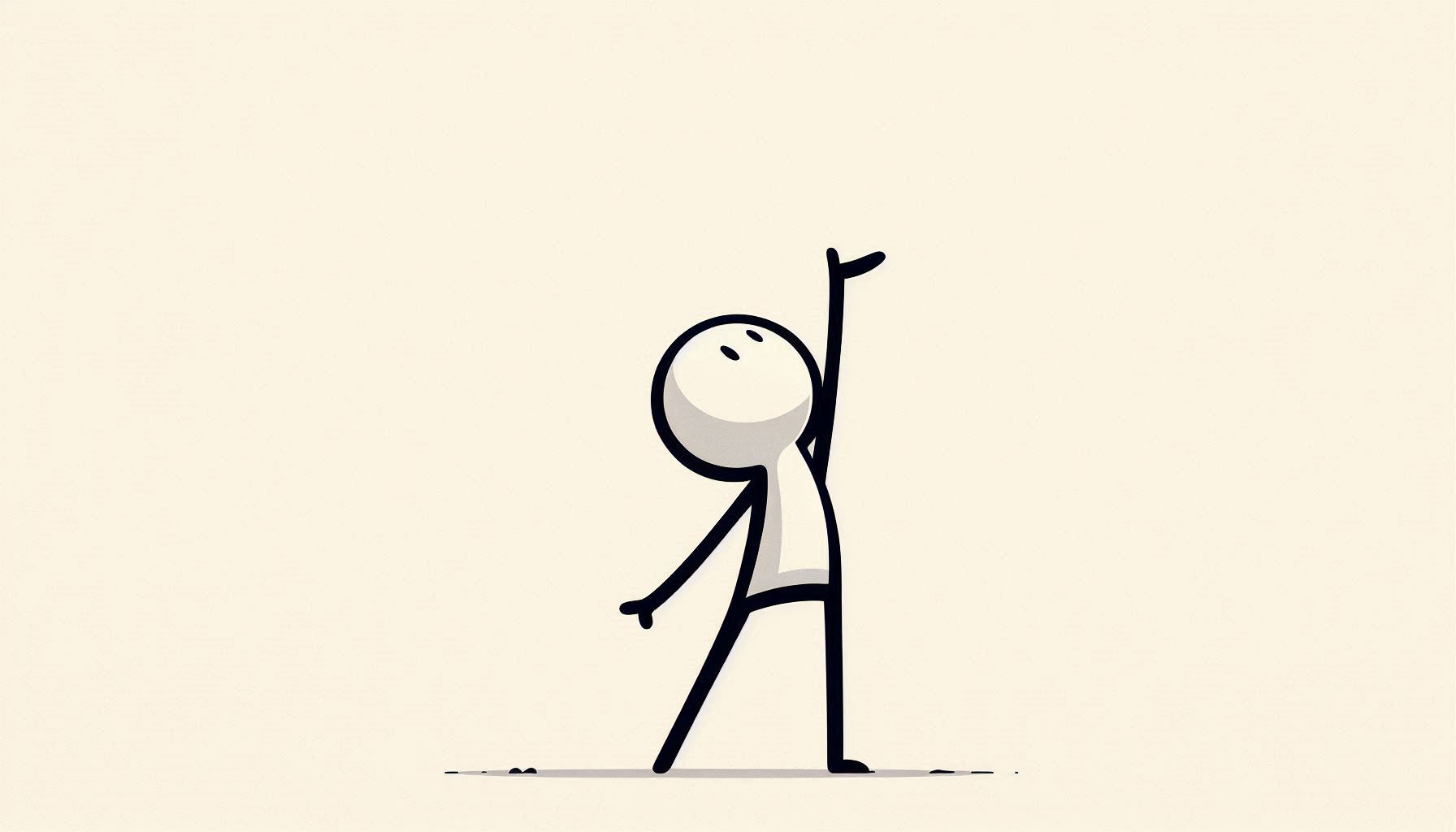
If you can’t reach the ladder
Do you need to rethink the plan?
Looking back at your previous efforts, reflecting on your goals in comparison to where you are right now, can be painful, but it usually helps the process.
Some people tell you to aim for the stars. Is there any point in aiming for the stars, if you’re stuck on the ground? Sometimes you just end up shooting yourself in the foot instead.
But if things didn’t go according to plan, and you weren’t able to reach your goal, there may be several reasons why.
Sometimes the problem is the goal itself. Sometimes they are too high or even too low. Other times the problem is with the steps you took to get to the goal. Perhaps you went the wrong way. Or perhaps you’re just not capable of taking those steps at the current time.
Think for instance, of a ladder.
If there is a particular thing up high you can’t get to, it is common sense to get a ladder. But if the ladder is too short, you will not reach your goal. However, even if the ladder is the correct height, if you find the steps too far apart or too difficult for you to climb, you will also struggle to reach your goal.
In the end the result is the same. You probably need a different ladder.
If you struggled to reach your goal, was it because:
- The goal or the plan itself was unrealistic, and not something you could do even on your best of days? (If your plan requires you to have 27 hours in each day, this is not actually possible, no matter how hard you try.)
Or
- Was the plan technically possible, in theory, but you were not able to carry it out?
If the plan was technically achievable, but you struggled to do it, (interruptions, disasters, lacking the time, energy, willpower, interest, motivation, tools etc.), the plan has not worked.
Perhaps your initial reaction may be to say “I’ll just have to try harder.” and maybe that is true. Maybe you didn’t work hard enough, or maybe you have underestimated how much work you could get done. Simply trying harder can work, such determination can work wonders if you have it. But there are still many occasions where it falls flat.
One way or another, alterations to the plan may be needed. Maybe its time to think about adjusting goals.
Abandoned goals, and adjusting dreams
Is there a better plan?
Why didn’t the plan work? Why couldn’t you reach your goals?
Sometimes you may be lacking time, or energy or resources. Or perhaps it’s motivation, or general interest or something else that is lacking. Perhaps bad habits got in the way, or perhaps you were waylaid, sidetracked by the many disasters of life.
Some people when thinking about questions such as these, tend to instinctively blame inward causes; they weren’t smart enough, wasted too much time, or just didn’t try hard enough, etc. While others tend to look outwards for causes; blaming interruptions, or unforeseen circumstances or other people. If you’re adjusting goals it is helpful to consider both sides, though you may lean more towards one way than the other.
Is it realistic to simply try harder? Or is worth making some changes to the plan?
Do you need to change the steps, or make the steps smaller or more manageable?
Sometimes, depending on the goal there are limited things you can change. Immovable deadlines, work goals, set methods you need to follow. Adjusting goals in such cases can be difficult, but it’s still worth thinking about. Is there anything you can change to make the goal easier to achieve? Or are there unrelated things you can take off of your plate for the time being, to make your overall work load easier to manage?
You may consider the following:
- If you do have flexibility with the goal, how could you adjust it to make it easier to achieve?
- If you don’t want to make the goal lower, think about how you could reach it in a more realistic manner?
- Where are you right now, compared with where you want to be, and how can you get yourself there in a reasonable way?
- If this isn’t the first time you’ve set a goal like this, what happened the last time?
Some people may need a firmer, more pressing deadline, others may need to stretch the deadline out. Some benefit from making the tasks more interesting, or more challenging, while others may try breaking the steps down into tiny pieces.
Some random tips, if you’re having trouble meeting your goals.
- Think about why you may be having trouble reaching your goals. Are your goals realistic? Are you not working hard enough? Did too many things go wrong?
- Be honest with yourself. Plan for where you are and what you can do right now, not where you want to be.
- Think about how much time you have ideally, vs how much time you’re actually likely to spend.
- Plan out how long you think tasks will take, and then allow for double or triple that time, just in case.
- Try data tracking or doing to a time audit on yourself if you have no idea where your current base lines are, how fast you work, or how much time you actually have to spend.
- Try giving yourself advice, as if you were giving advice to a friend who is in your circumstances. Sometimes it’s easier to think about from an outside perspective.
- Figure out which goals are more urgent or important than others. Which can be adjusted and which cannot?
- Adding incentives to unmotivating tasks, deadlines, rewards or even penalties, may help with motivation, or in making the task more interesting or entertaining.
- Break steps up into smaller more manageable pieces.
- Try using variable goals E.g. having an “Ideal” goal for good days, and a “Bare minimum” goal for days you are struggling.
The downside to adjusting goals
Have you stopped trying?
Sometimes when looking at our goals, and the goals we haven’t managed to achieve it’s easy to say “I’ll try harder”, when trying harder may not work the way we hope it does.
But at the same time, sometimes it can be the opposite for those of us who may be prone to coming up with excuses, or who may (like yours truly) have a lazy streak to our personality. Sometimes the instinct is to simply set the goals aside. Casting them away with a resigned knowledge that “there’s nothing I can do.”
There is a danger however, to always adjusting your goals. Sometimes you can get used to setting the bar too low. You can become comfortable with not trying to improve yourself.
While it makes sense to make the first step on the ladder, one you can actually reach, be careful you don’t stop yourself from trying to climb at all.
If you once had a goal of doing 10 push ups, but you tried and failed. It might be better to start with where you are. Perhaps you may need to start with doing 1 push up. But that doesn’t mean you should always and only do 1 forever. You don’t need to limit yourself to 1. 1 is simply the starting point.
Once you can do 1, try a second, then a third.
The same principle applies to improvements. It’s no use setting the steps so far apart you can’t reach them. The best improvements may be small improvements. Challenges you can handle, that you may struggle with a little bit, but the stretch isn’t too daunting.
Every person is different, some people may be able to take giant leaps, while others may need to take many small steps to reach their goals.
But you’d be surprised how high you can climb, by climbing one embarrassingly small step at a time.
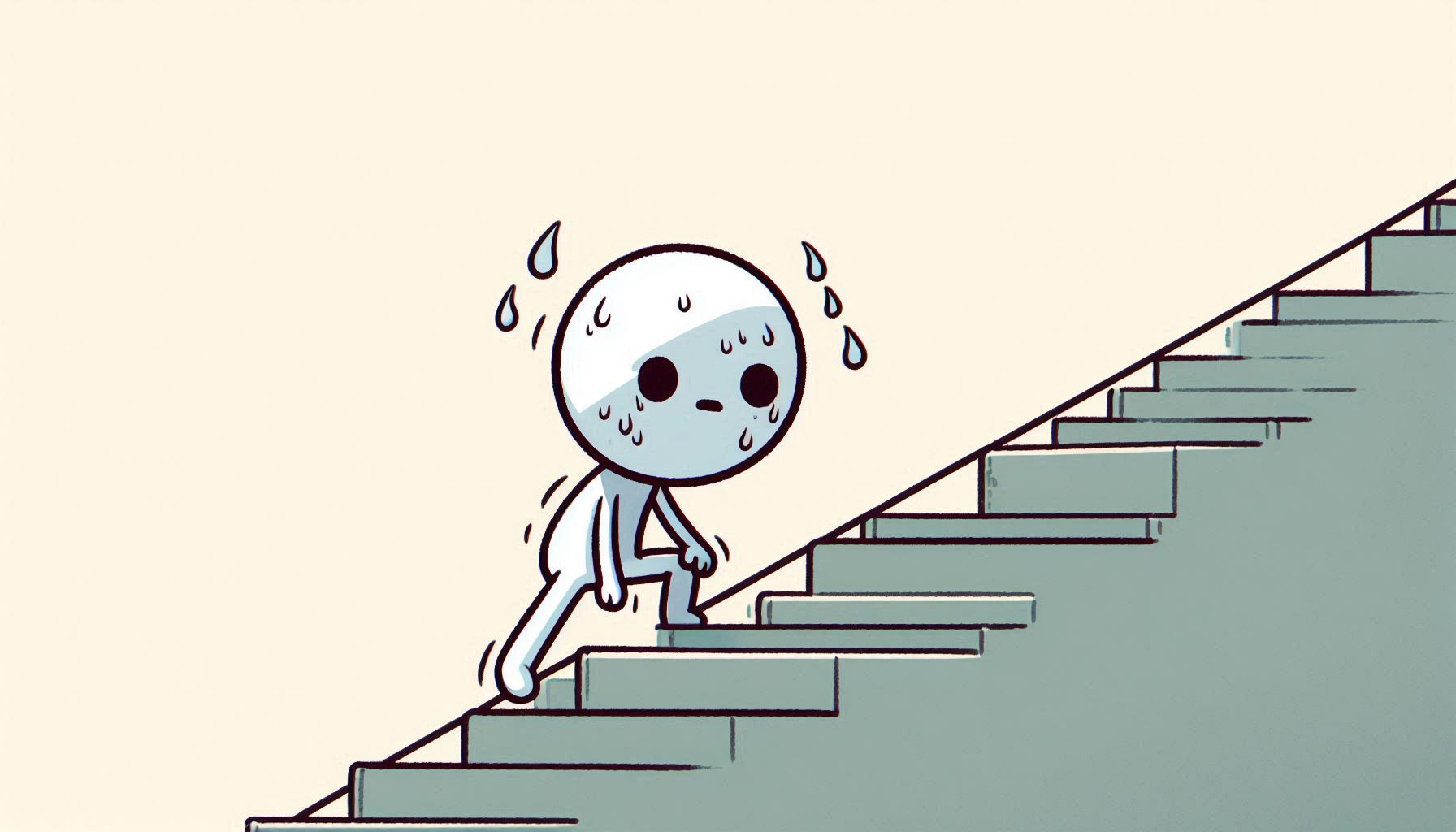
One step at a time
How’s the plan coming?
So in the next few months, as your optimistic goals gradually get away from you, and you find yourself asking “Am I trying hard enough?”, there is no need to despair. Failure happens to the best of us.
Sometimes the honest answer to that question might be “No, I need to try harder.” Other times you may find yourself facing a plan that wasn’t very well planned at all. Sometimes you can push through, other times you may need to take a break and reevaluate your ambitions.
Everybody is different, but there’s one thing we all have in common. Nobody’s perfect. So don’t worry about it. Simply, reflect, adjust, and improve, however suits you best.
Alright, that’s my ramble over. I hope my thoughts were helpful or at least entertaining.
I’d love to do more posts like this in the future so keep an eye out. Feel to share, drop a comment or email me if you have feedback.
Got a project you’re working on this year? Picked up fice new hobbies recently? Check out our Mini Project Planner, available now from Amazon.
Am I trying hard enough? The art of adjusting goals
I wanted to try a bit of a rambling post today, this wasn’t planned, but…

17 Funny Unenthusiastic Sayings For People Struggling Through Life Right Now
Sometimes in life there are times when even the low bar feels too high to…
21 Reasons Why You Should Quit While You’re Ahead
Do you have a dream you’re trying to achieve? A project you’re trying to finish?…

Is there such a thing as a bad personality?
The Psychological field of personality studies is something I find fascinating, and is a topic…

19 funny sayings: Start your day right with Inspirational sarcasm
Need some Monday motivation? Need some funny inspiration? Looking for some pretty posters to stick…

I hate Enthusiasm. Is it really for every one?
Understanding your lack of enthusiasm: What is enthusiasm? And why do some of us have…
Would you like to stay in touch?
Get the latest news, updates and offers!